
Press
Introduction to buying Solid Wood furniture
Introduction to buying Solid Wood furniture
When diving into the world of Amish-made furniture, it’s essential to distinguish between the various styles available. Amish craftsmanship encompasses five primary styles: traditional, mission, shaker, modern, and rustic. Understanding these categories enriches the shopping experience, providing a foundation for informed decisions.
Traditional Style
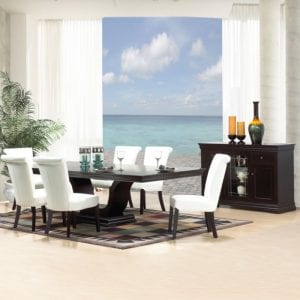
Characterized by graceful ornamentation, claw legs, and scallop/shell designs, Traditional furniture encapsulates rich history. Originating from European and American periods like the Victorian and Edwardian eras, Traditional style embraces intricate carved details and dark, rich finishes. Suited for regal older homes, it complements architectural features like columns, covered entryways, and front porches.

Mission Style
A response to Traditional opulence, Mission furniture boasts simple edges, 90-degree angles, and exposed joints. Emerging in late 1800s America, influenced by Spanish Mission furniture, it emphasizes sturdy elegance and functionality. Crafted by Amish artisans, Mission collections feature long straight lines, parallel slats, and an enduring commitment to simplicity.
Shaker Style
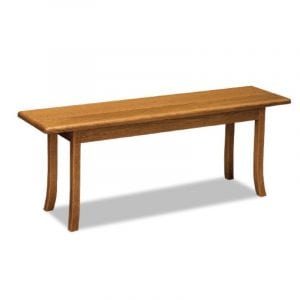
Rooted in the philosophy of the “Shaking Quakers” from the early 1800s, Shaker-style furniture reflects simplicity and practicality. With wooden knobs, gentle curves, tapered legs, and lighter stains, it aligns seamlessly with Amish values and woodshop skills. Modern Shaker styles may incorporate trim molding with sweeping curves.
 Modern Style
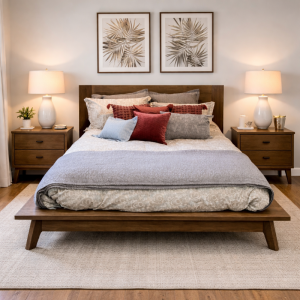
Emerging in the early 1900s and influenced by post-WW2 designs, Modern furniture embodies bold geometric shapes, strong lines, and sweeping curves. Amish craftsmen infuse this style with minimalist design, warm neutral colors, and a mix of materials like plastic, vinyl, leather, and chrome-plated steel. Subsets include Mid-century Modern, Eclectic, and Contemporary.
Rustic Style 
Celebrating imperfections and incorporating distressed and natural elements, Rustic-style furniture gained popularity in the 2010s. Amish artisans excel at using reclaimed barnwood, embracing its unique features. Balancing industrial metal accents with warm wood, Rustic style introduces cozy warmth to a room, often seen in homes with exposed wood, fireplaces, and wide plank floors.
Understanding these styles ensures an informed purchase, reflecting the enduring quality guaranteed by Amish craftsmanship. Moving beyond style considerations, exploring the principles of integrity pricing in retail adds a layer of transparency and trust to the buying process.
Integrity Pricing
In the realm of retail, integrity pricing is reshaping customer-business relationships. Defined by principles of transparency, consistency, and valuing craftsmanship, this approach stands as a trustworthy alternative to traditional sales-focused experiences.
Transparency in Pricing
Eliminating complex discount structures, transparency in pricing offers a clear understanding of product value. This fosters trust by presenting the true worth of items, devoid of hidden fees or unclear pricing mechanisms.
Consistency Over Sales
Choosing consistency over sporadic discounts, integrity pricing maintains steady pricing, signaling a commitment to fairness. By avoiding pressure tactics associated with sales events, businesses embracing this approach prioritize lasting customer relationships.
Valuing Craftsmanship
Central to integrity pricing is the acknowledgment and fair compensation of artisans. This principle ensures that the true worth of products, reflecting quality craftsmanship, is consistently showcased.
Long-Term Relationships
Beyond transactions, integrity pricing focuses on building enduring customer connections. By prioritizing transparency and avoiding pressure tactics, businesses aim to foster trust and loyalty, transforming one-time buyers into repeat customers.
Wood Species and Stain Application
In 2026, meticulous wood and stain choices dominate furniture selection. A guide by Country Charm Mennonite Furniture explores popular wood species and stain considerations, aligning with current preferences.
Wood Species Guide
Featuring oak, maple, cherry, walnut, hickory, ash, and ambrosia maple, this guide delves into each wood’s characteristics and popularity. Factors like aesthetic appeal, durability, stain compatibility, and budget considerations are emphasized.
Stain Choice Guide
Addressing stain choice on different wood species, including ambrosia maple, the guide explores how each wood’s unique characteristics interact with stains. Considerations include open pores, grain patterns, and the overall impact on colour.
Hardware and Maintenance
Choosing the right hardware and caring for solid wood furniture are pivotal for longevity. The guide provides insights into hardware selection, emphasizing style, material, functionality, and proportionality.
Choosing Hardware
Considerations such as matching style, coordinating with furniture material and finish, prioritizing functionality, and expressing personal style guide hardware choices. Consistency and budget considerations play key roles.
Caring for Solid Wood Furniture
Maintenance tips include maintaining humidity levels, cleaning with a soft damp cloth, and immediate spill cleanup. Restoration tips, featuring products like Heirloom Essentials Fine Furniture Care and Howard’s Wood Care Products, ensure furniture longevity.
This comprehensive guide empowers buyers in their Amish furniture journey, encouraging choices that reflect personal style, values, and a commitment to lasting craftsmanship. Happy furnishing!
Trudy Boers
Sales Manager / Country Charm